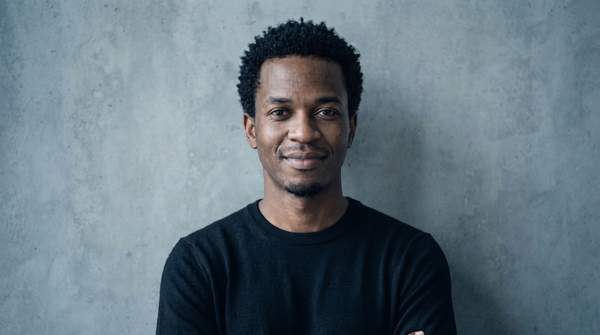
According to a top LinkedIn executive, a new LinkedIn analysis indicates artificial intelligence will create a 'worker-led transition' in the global economy, empowering individuals to control their career paths and potentially launch new companies.
This perspective challenges the conventional top-down corporate structure, arguing that AI's accessibility allows individual employees to become primary drivers of innovation. The immediate consequence for founders and operators is a need to rethink organizational design. If AI empowers workers to solve problems across departmental lines, rigid hierarchies may become a liability, while a new generation of founders could emerge from employees who use AI to build solutions traditional companies are too slow to develop.
What We Know So Far
- According to Fortune, LinkedIn's chief economic opportunity officer, Aneesh Raman, believes the traditional organizational chart is obsolete and hinders innovation in the age of AI.
- Raman reportedly argues that AI will grant future generations of workers more control over their careers than any that have come before them.
- Separately, VivaTech's AfricaTech Award 2026 recently unveiled its Top 30 cohort of African startups, showcasing a new wave of tech-driven entrepreneurship, as reported by The Next Africa.
- The AfricaTech cohort includes companies using AI, robotics, and logistics to address systemic gaps in sectors like healthcare and finance.
- The Top 30 startups originate from 11 countries, with FinTech representing 40% of the selected companies.
LinkedIn's Analysis: The Future of Work with AI
LinkedIn's Aneesh Raman argues AI fundamentally alters the source of innovation within companies, rendering the rigid corporate org chart a relic. "The org chart was built in the industrial age to bring order, predictability, and stability to rapidly growing organizations," Raman told Fortune. "Companies need to let that go, as it's going to hold back innovation."
Raman's view posits that widely accessible AI tools empower any employee to identify and solve complex problems, decentralizing innovation from R&D departments to individual contributors. This shift, he claims, grants employees unprecedented agency: "Because of AI, I think we’re about to have the first generations at work that have more control over their career than any who’ve come before," Raman said.