Venture capital firms and advocates are intensifying efforts to close the persistent startup funding gap for women entrepreneurs, a push marked by the growth of dedicated funds but complicated by legal challenges to regulatory oversight.
Access to startup capital often depends more on finding a thesis-aligned investor than on broad market fairness, creating an uncertain environment for founders. This disparity in capital allocation is a stubborn problem, with market-driven solutions gaining traction while systemic, policy-based changes face headwinds. The core issue is whether private capital can correct its own biases faster than regulation can mandate transparency.
What We Know So Far
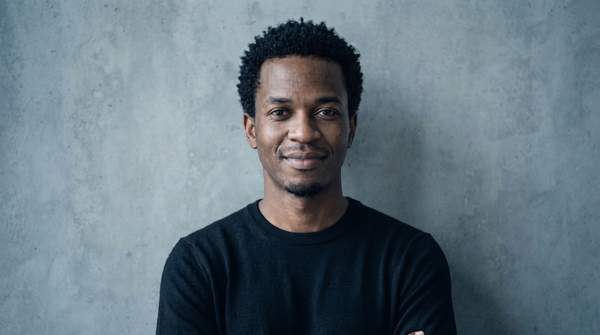
- Seae Ventures, a Boston-based venture capital firm, was co-founded by Tuoyo Louis to back early-stage healthcare and financial technology companies led by women and founders of color, according to a report from billionaires.africa.
- The firm's inaugural fund closed in June 2022 at $107 million, which at the time was the largest fund dedicated to investing in women- and BIPOC-led companies in the healthcare and fintech sectors.
- Seae Ventures has since expanded its total assets under management to over $200 million following its 2024 acquisition of Unseen Capital.
- A California law designed to mandate diversity reporting from venture capital firms has been paused, delaying transparency efforts, as reported by parriva.com.
- The goal of the paused legislation was to expose and address funding gaps that affect Latina and other minority founders across California's influential startup landscape.
Addressing the Startup Funding Gap for Women Entrepreneurs
Seae Ventures exemplifies a direct market-based strategy to close the funding gap: creating venture funds with an explicit mandate to invest in underrepresented founders. The firm focuses on specific, high-growth sectors—healthcare and financial technology—where diverse leadership can create outsized value, rather than just founder demographics.
According to a report from billionaires.africa, the firm’s first fund closed at $107 million in June 2022. This was a significant milestone, establishing it as the largest vehicle of its kind at that moment. The success of that fund demonstrated institutional investor appetite for a strategy centered on founders historically overlooked by traditional VC. I've seen firsthand how pattern-matching for a specific type of founder—often from a specific university or network—dominates investment committees. Funds like Seae are built to break that pattern by creating a new one.