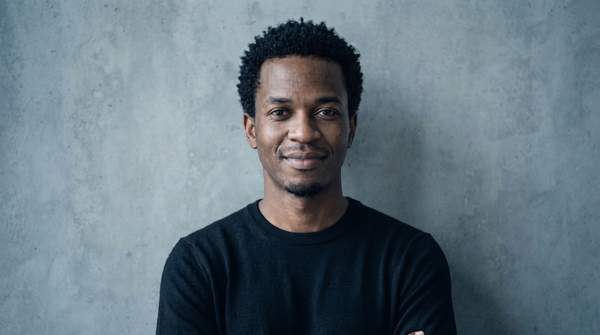
Just two years post-graduation, 24-year-old Anya Sharma's AI startup, focused on predictive drug discovery, closed a Series B round valuing it at $1.5 billion. She bypassed a decade of traditional career progression. Conventional wisdom dictates deep industry experience for billion-dollar companies. Yet, today's youngest computer science graduates achieve this with unprecedented speed and minimal corporate tenure, challenging long-held prerequisites. The tech industry will likely see a continued acceleration in high-value AI startups by exceptionally young founders, fundamentally reshaping talent pipelines and investment strategies. The accessibility of sophisticated AI frameworks and robust cloud infrastructure now allows founders to bypass extensive engineering teams or large R&D budgets, dramatically shortening the path from research to market leadership.
The Unprecedented Rise of Young AI Founders
VC investment in AI startups by founders under 30 surged 150% in three years, hitting $25 billion annually, per CNBC. The average age for Series A funding in AI dropped from 32 to 26 between 2018 and 2023, according to CB Insights Data. Investors clearly prefer early-stage AI intellectual property over seasoned leadership. Over 70% of top CS graduates from MIT, Stanford, and Carnegie Mellon now eye founding a startup as their primary career goal, up from 30% a decade ago, according to a University Career Services Survey 2024. Open-source AI models and cloud infrastructure cut initial product launch capital by an estimated 80%, according to Andreessen Horowitz. The combination of open-source AI models and cloud infrastructure slashes entry barriers and accelerates growth for young AI entrepreneurs, letting them build complex solutions with fewer resources.
Navigating the Pitfalls: The Challenges for Young Founders
First-time founders under 25 face 15% higher failure rates than those over 35, often due to management inexperience, per a Kauffman Foundation Study. Technical skills are strong, but business acumen for scaling lags. A Founder Wellness Report from 2023 found 60% of young AI founders reported significant mental health challenges, including burnout and isolation, within two years. Leading a nascent company without corporate safety nets takes a toll. Ethical oversight and responsible AI deployment are major weaknesses in rapidly scaling young AI startups, creating regulatory hurdles, notes an AI Ethics Institute Review. Many struggle to scale operations and build diverse teams beyond their technical core, often needing external senior hires, a point from Harvard Business Review. Opportunities are vast, but intense pressure, inherent risks, and lack of seasoned experience challenge these founders. Their technical skills often outpace their organizational development capabilities.