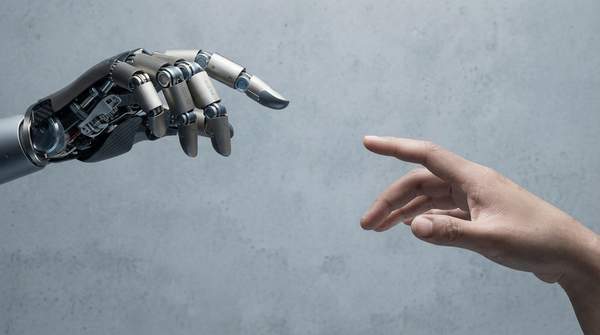
Prohibitions on assisting with weapons, conducting cyberattacks, producing child sexual abuse material, or generating non-consensual deepfakes will be absolute and not overrideable by users or customers under Microsoft's upcoming 'Humanist AI' framework. Designed to embed non-negotiable safety standards, stringent rules reflect a growing industry recognition of the profound societal and operational risks inherent in unmanaged artificial intelligence. The framework aims to ensure ethical deployment by mandating human control over critical AI functions.
The industry champions broad AI adoption and a diverse ecosystem, but many companies risk their future by failing to embed the necessary human oversight and control into their AI strategies. This creates a palpable tension between the urgent push for rapid innovation and the fundamental requirement for responsible technological governance. Without proper guardrails, the promise of AI can quickly turn into significant liability.
Companies that prioritize speed and convenience over internal control and ethical governance of their AI systems are likely to compromise their independence and long-term viability. This disregard for robust human oversight and data control today could lead to irrelevance or outright failure for startups by the time industry standards mature, making "human oversight AI decision making startups 2026" a critical theme for survival.
Microsoft CEO Satya Nadella consistently emphasizes that AI companies must keep humans in control. This directive forms a foundational principle for responsible AI development across the industry, guiding how enterprises should approach this transformative technology. Nadella has stated that AI should be built to serve humanity first and remain under human control, outlining a clear philosophical stance for the technology's deployment and ethical boundaries.
The pursuit of superintelligence, according to Nadella, must focus on helping humanity and remain under human control, as reported by Fox Business. The imperative for robust ethical frameworks to guide AI's trajectory, ensuring its benefits are harnessed responsibly, is clear. It suggests that even the most advanced AI systems must be subordinate to human will and intent, preventing autonomous actions from causing unintended harm or ethical breaches.