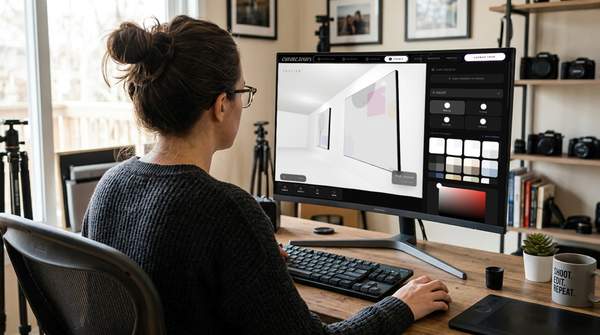
Users interacting with a generative UI dashboard reported 40% higher satisfaction scores than those using a fixed-layout counterpart, even in early-stage products, according to UX Insights Quarterly. A 40% higher satisfaction score for generative UI dashboards signals a growing demand for adaptive, personalized interfaces over static presentations.
Startups often prioritize quick, off-the-shelf UI solutions. However, traditional dashboards' inflexibility can stifle long-term growth and user engagement. This forces early-stage companies to choose between immediate deployment speed and sustained user satisfaction.
Companies investing in Generative UI will likely gain a significant edge in user retention and product evolution. Those clinging to fixed paradigms risk falling behind in a rapidly personalizing digital landscape.
Generative UI: Bridging the Gap in User Expectation
Despite users reporting 40% higher satisfaction with generative UI dashboards (UX Insights Quarterly), 85% of startup founders still default to traditional templates for initial launches, citing perceived speed and lower upfront cost (Startup Ecosystem Report 2023). This disconnect between common startup practices and emerging user expectations for dynamic interfaces is stark.
The prioritization of speed-to-market with off-the-shelf UI components by 70% of startups (StartupTech Survey 2023) directly conflicts with observed lower user satisfaction. Startups are making short-term decisions that undermine long-term user engagement and growth. They trade velocity for control, often without realizing the exchange.
Generative UI vs. Fixed Dashboards: A New Paradigm
Generative UI uses AI models to dynamically create and adapt interfaces based on user behavior, data, and context, moving beyond pre-defined layouts (AI in Product Design Journal). Traditional fixed dashboards, conversely, rely on static templates and demand manual developer intervention for layout or content changes (Software Engineering Handbook). Generative UI can present different data visualizations or interaction flows to individual users based on roles, preferences, or past actions, all without code changes (Product Management Review).
This fundamentally shifts design from static to dynamic, AI-driven creation. Generative UIs offer continuous optimization, surpassing the limitations of rigid, pre-set designs.