A B2B industrial equipment manufacturer reduced its sales cycle by 20% by offering a free, limited-feature digital twin simulation of its machinery, according to Industrial Insights Magazine. This allowed potential clients to interact with complex machinery virtually, experiencing its functionality and fit within their operations without upfront commitment. The immediate, hands-on experience fundamentally shifted how sales conversations began.
Product-led growth (PLG) is often seen as a strategy exclusive to software companies. However, its principles are now proving transformative for physical goods and service industries in 2026, challenging traditional sales-led models.
Non-SaaS companies that strategically integrate product-led principles are likely to gain a significant competitive edge by fostering organic growth and deeper customer engagement. This approach prioritizes user experience over direct sales pitches.
What is Product-Led Growth for Non-SaaS?
Product-led growth (PLG) is a business methodology where user acquisition, expansion, and retention are all driven primarily by the product itself, according to Heap. For non-SaaS businesses, this means the product, or a valuable aspect of it, acts as the primary sales tool. This often involves offering a tangible 'taste' of value upfront, such as a free sample, a limited-feature physical product, or a valuable digital tool related to a physical offering, as noted by Product Management Journal. The core idea is to let the product demonstrate its value directly to the customer, rather than relying solely on sales or marketing efforts, states Growth Strategy Institute.
This approach fundamentally shifts the focus from selling to demonstrating value through the product itself, regardless of its digital or physical nature. The 'product' in non-SaaS PLG often isn't the physical good itself, but a digital representation or service layer around it, which acts as the initial value driver, as exemplified by the earlier digital twin simulation.
How Non-SaaS Companies Are Making PLG Work
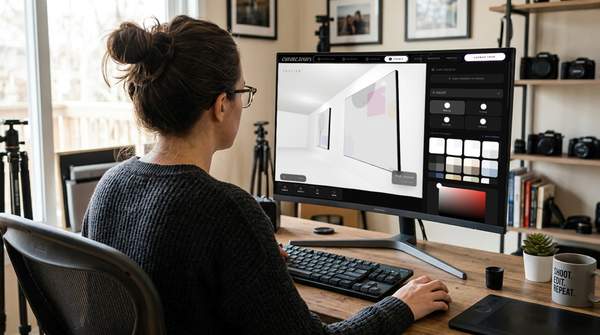
A major consumer electronics brand saw a 15% increase in accessory sales after introducing a 'try before you buy' program for smart home devices, according to Consumer Tech Report. This program allowed customers to experience the functionality of devices like smart speakers and lighting kits in their homes before committing to a purchase. Similarly, a high-end furniture company now offers a free 3D room planner tool, which customers use an average of 3 times before making a purchase, notes Home Decor Trends. This digital tool provides immediate value by helping customers visualize furniture in their space.